Opioid abatement funds supporting regional response
In total, Weston will receive $849,969 from 2023 to 2039 through the nationwide opioid settlement.
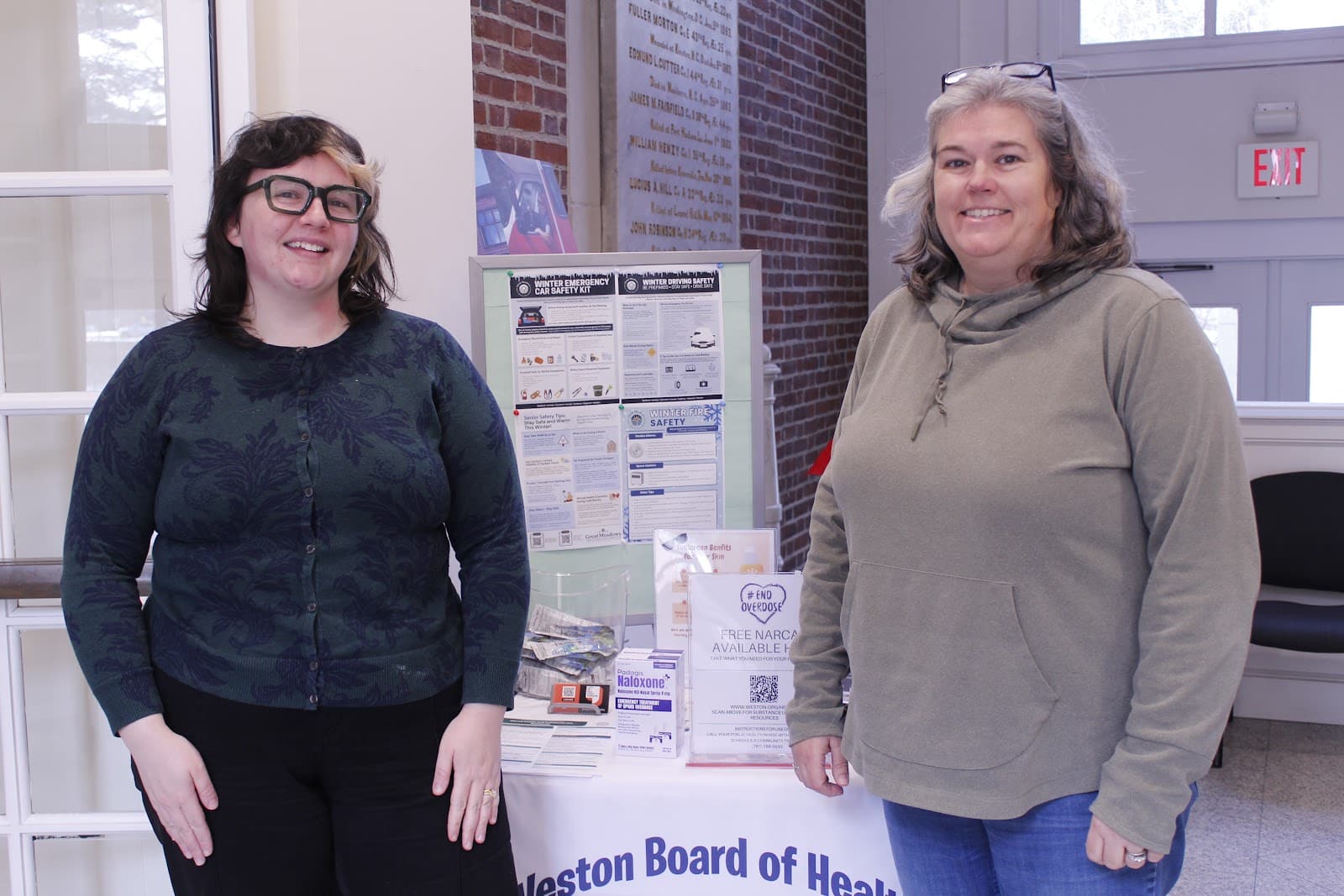
Olivia Dufour is new in seven towns and wants to help in all of them.
As the regional substance use prevention coordinator for the Great Meadows Public Health Collaborative, she is responsible for promoting prevention, harm reduction and education about substance use in the seven towns that make up the group: Weston, Bedford, Carlisle, Concord, Lincoln, Sudbury and Wayland. In the role, she has been working with people impacted by substance use disorders to figure out the best way to help the region.
“It’s really important to make sure that there’s a dialogue around this,” Dufour said. “Trends can shift over time, so we want to make sure that we’re able to remain responsive.”
Weston helps fund Dufour’s position through its portion of opioid abatement funds awarded to Massachusetts as settlement for state-filed lawsuits against companies involved in the opioid epidemic. As of last April, Weston had received $260,314. In total, from 2023 to 2039, Weston is expected to receive $849,969.
The majority of funds are in reserve while Dufour works to create a plan that will best help the communities where she works, according to Kelly Pawluczonek, Weston’s public health director.
Dufour has been in the position for one year. In that time, she has been conducting a survey, as well as holding interviews and focus group sessions with people impacted by substance use disorder – those who are experiencing it, as well as family members and related professionals.
“There will be interviews with people who do [treatment and recovery] work, but also with organizations that are adjacent to the work, so first responders, domestic violence services, mental health services,” she said. “We are trying to get a better, more well-rounded understanding of the situation within our seven communities.”
From 2020 to 2024, there were between 170 and 190 opioid-related EMS incidents in the seven-town region. Dufour said the numbers are reported in a range for privacy reasons. In that same time frame, there were 31 fatal overdoses.
“We also always like to think about the ripple effect that every opioid overdose can have on a community,” Dufour said. “It’s not just that one person who unfortunately passed away that is being impacted by that.”
Dufour’s research has elevated concerns about addiction in older adults and the intensity of stigma surrounding substance use disorder.
“We are thinking about prevention across the lifespan and trying to do some work around specific support for folks who are in treatment and recovery,” Dufour said. “There are a lot of barriers to being able to seek services, transportation being a huge one.”
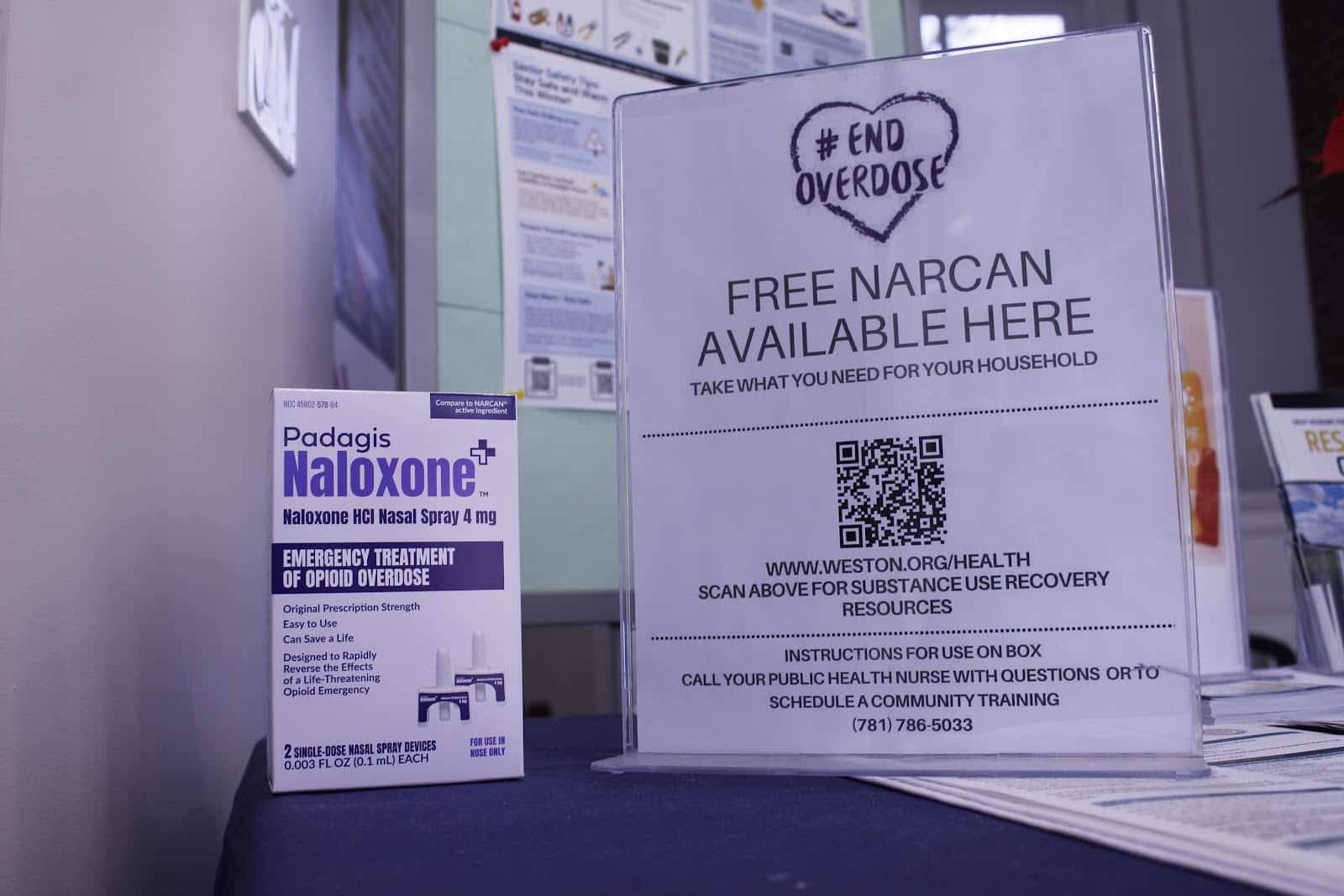
According to Pawluczonek, Weston has been providing help in other ways. Naloxone, a medication used to treat opioid overdose, is available for free at Town Hall through a state distribution program.
The stigma against drug use has been clear, even in that offering, according to Pawluczonek.
“I used to have it on the counter and nobody took it. We would not watch it, but it was near where someone was. Nobody took it,” she said. “As soon as we moved it, it was moving.”
Weston gives out about 24 doses of naloxone a month, although this past January twice that amount was taken from Town Hall. Pawluczonek has no information about who takes the medication, so could not speak to why there was an increase last month.
Although Dufour’s focus has been on collecting data over the past year, she has also started hosting community events. She organizes mental health first aid classes, where she teaches participants signs of mental health challenges, substance use and how to help.
Dufour has also hosted The Opioid Project through the Great Meadows Public Health Collaborative. It is an art project where people who have experience with the opioid epidemic are invited to create art based on their experience and sit for interviews to create an exhibit. Dufour is in the process of piloting a youth version as well, to give children who are impacted by opioid use a chance to express themselves.
“The purpose of that is really trying to get people to understand these are stories from people who live around here,” Dufour said. “These are stories from people in these communities. It’s not this mythical other of people who use substances over there, but these are stories that could be your friends, neighbors, family.”
As the survey results come in and are analyzed, Dufour will create a data-informed plan to meet the needs of Weston and the region. Pawluczonek added that much of the programming and advice geared towards opioid use can also apply for people struggling with addiction to alcohol or other substances, which could make the work useful for a larger swath of the community.
For Pawluczonek and Dufour, the focus is on reducing the stigma around addiction and lowering barriers to treatment.
“I can’t help a dead person,” Pawluczonek said. “I can help somebody who’s struggling.”
Author

Related Articles

Six CPA projects heading to Town Meeting
The Community Preservation Committee advanced six projects to the May Annual Town Meeting.
Town Government 101: Town Caucus
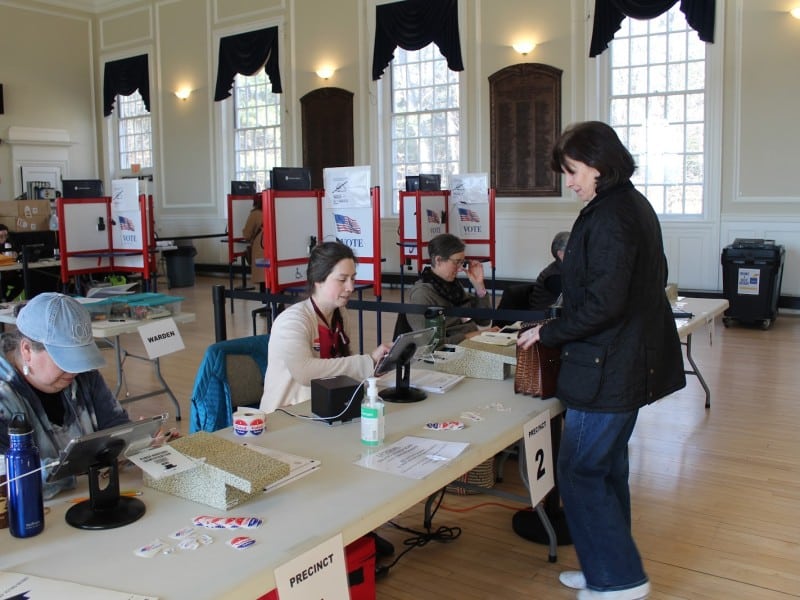
Election season starts in full with the Town Caucus, where residents choose who will be on the annual town election ballot.
Palmer reflects on Select Board term
As his term is set to expire in May, Tom Palmer looks back on the work the board has undertaken.