
District presents long-range anti-hate plan
Following a string of antisemitic incidents last fall, school administrators have laid out a five-year anti-hate plan.
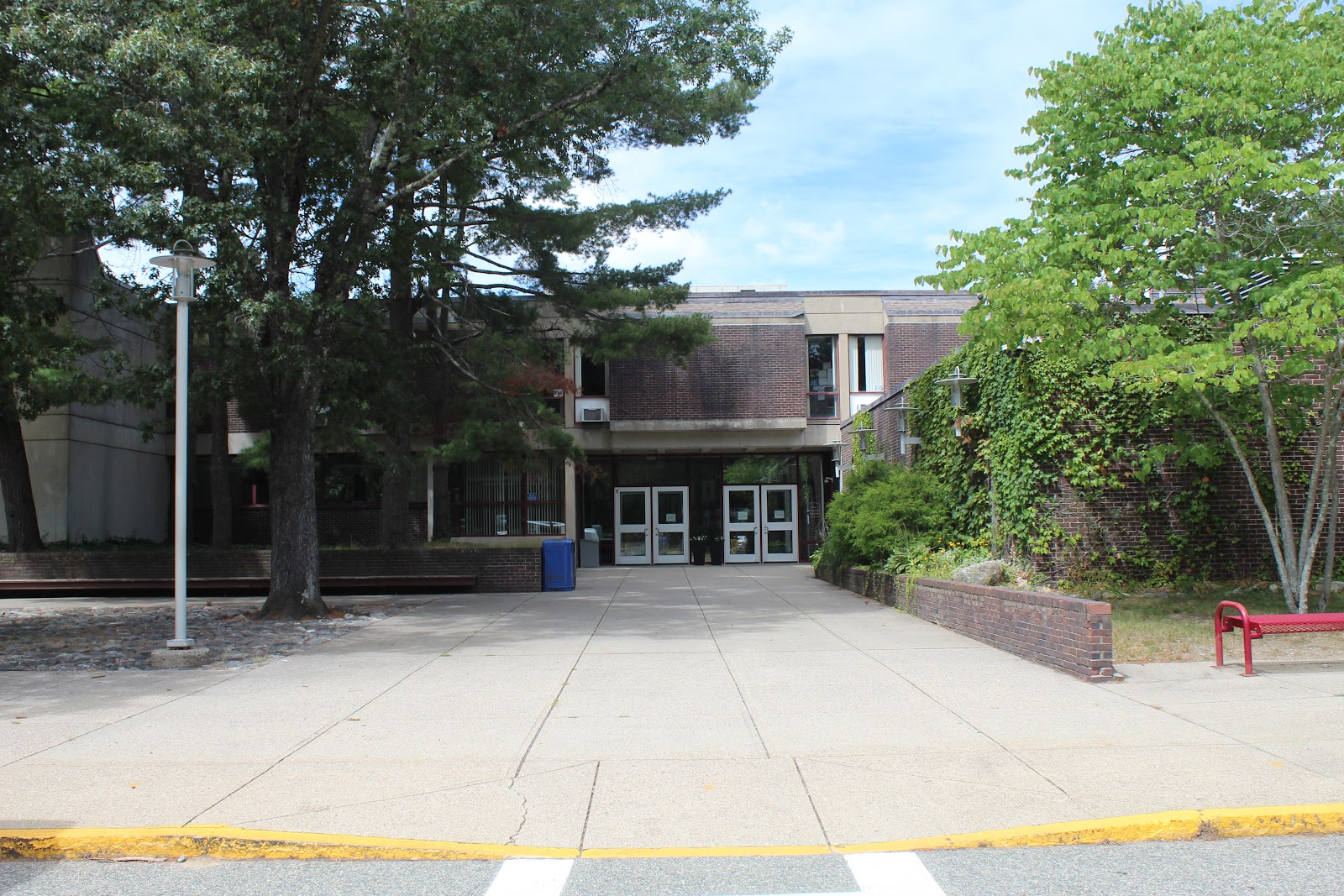
Following a string of antisemitic incidents last fall, school administrators on March 2 laid out a five-year anti-hate plan that the district said will ensure all students are welcomed into a positive learning environment.
“It’s very important for our district to have a proactive approach, instead of a reactive approach,” said James “Kimo” Carter, assistant superintendent for teaching and learning. “Hate is the enemy of learning. Students have to feel safe and comfortable and fully engaged in order to learn to their greatest capacities.”
There were three unrelated incidents reported to the school district in fall 2025: an eighth-grade student copied and pasted a swastika image and presented it in class on Oct. 16, a student drew a swastika in dry-erase marker in a seventh grade classroom on Oct. 30 and a student discovered a swastika drawn in a high school bathroom stall on Nov. 4.
In response to the incidents, Superintendent Karen Zaleski announced the district would be formulating a districtwide plan to combat hate and antisemitism.
The anti-hate plan is based on four pillars, each with its own initiatives: curriculum and instruction, professional learning, school and community culture and systems and structures. The purpose is to create a sense of “collective responsibility” among everybody in the district, according to Carter.
“We all have to take responsibility if we’re really going to change the culture,” Carter said, explaining this means administrators, teachers, support staff, students and families. “That’s why this plan is really trying to involve all stakeholders.”
Among the nine proposed initiatives are an inclusive curriculum audit for all grades, mandatory professional development for all staff, restorative justice training, student-led culture reviews, community partnerships and the development of a fiscal structure to support anti-hate work.
Carter emphasized the numerous initiatives in the anti-hate plan will need to be implemented by the district’s strategic planning committee, with an implementation timeline laid out through fiscal year 2031.
The School Committee was supportive of the plan, but asked if it was feasible to undertake everything.
“There’s a lot of great initiatives, a lot of things we like to see, but we can’t have it all,” Ken Newberg said. “How are we going to prioritize our very limited hours of professional development?”
Carter acknowledged it will be a “challenge” to ensure every initiative is implemented as envisioned, but the goal is to make the anti-hate plan a “living document” that can be updated and modified as needed. To ensure the district is implementing these ideas, Carter proposed an annual School Committee review and a monthly Belonging, Inclusion, Diversity, and Equity Committee review, as well as several benchmarks to monitor progress.
“We may have to expand the timeline longer to get all these initiatives,” he said, noting that some may even “get dropped by the wayside,” but those are the “kinds of decisions that the strategic planning committee is going to have to make.”
Assistant superintendent search update
In other business, Zaleski laid out the timeline for finding a new superintendent for teaching and learning to replace Carter, who will be departing the district for Holliston at the end of the school year.
The district posted the job on March 3, and interviews are expected to commence between March 24 and 26. Zaleski will select finalists on March 27, and those selected will be announced to the community on April 2. Finalists will be invited to the district on April 15 for a full day of meetings, including forums with parents, teachers and students.
The process is slated to wrap up in late April or early May, when Zaleski makes her recommendation to the School Committee for approval.
Author

Related Articles

School Committee approves $51.36 million FY27 budget
The School Committee on March 10 unanimously approved a slightly restructured $51.36 million budget.

Leo Kirk joins the 1,000-point club
Leo Kirk etched his name into an exclusive Weston Basketball club: he, alongside 15 other players, has scored 1,000 points.

Goldstein becomes second in program history to reach 1,000 saves
William Goldstein is the second player in Dover-Sherborn/Weston hockey history to reach the 1,000-save milestone, joining his brother.