
Building Community: Habitat for Humanity eyes site for affordable homes
Habitat for Humanity is eyeing three acres on Wellesley Street for affordable housing.
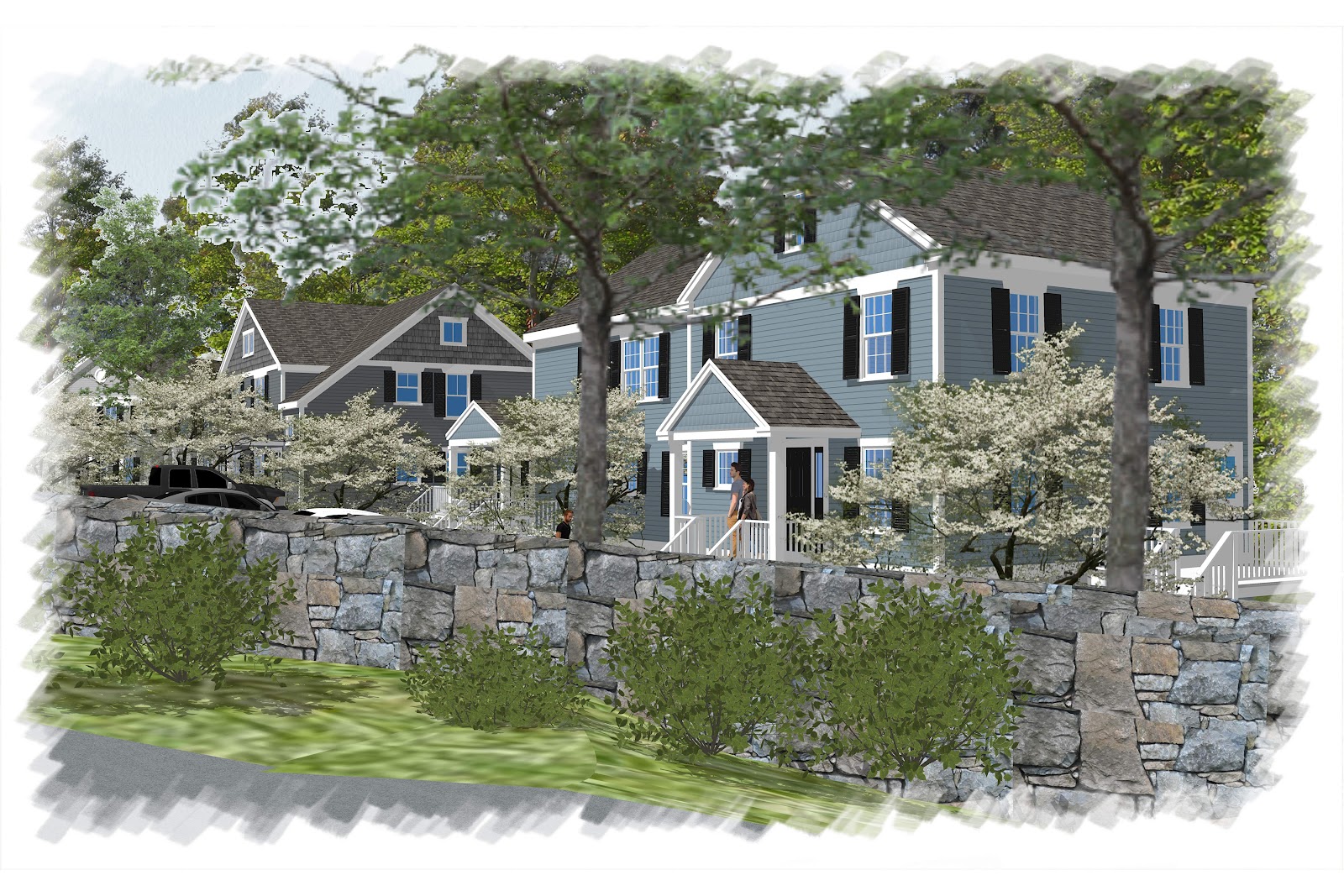
The foundation for six new affordable homes in Weston could be put in place by late spring.
Habitat for Humanity, an organization that helps create affordable housing by building and renovating homes across the country, is planning to close on three acres on Wellesley Street in early November according to Tricia Casey, the chief development officer for Habitat for Humanity Greater Boston. The organization plans to build three buildings with six residences in total on the property.
“It’s a little over three acres of land and there’s a really beautiful old historic rock wall around the property,” Casey said. “We’re going to design these homes to suit the neighborhood. We want them to look like they belong.”
Weston’s Affordable Housing Trust has provided a $450,000 grant to help bring the project to fruition. The trust was formed at the 2011 Annual Town Meeting in order to increase low and moderate income housing in Weston.
Thomas Timko, the trust’s chair, said that projects like these will help address the housing needs in town.
“Weston has historically lagged dramatically on this front,” he said. “Our job at the housing trust is to try and stimulate and educate about affordable housing and what it can do.”
Under the state’s affordable housing statute known as Chapter 40B, if less than 10% of a town’s housing stock is deemed affordable, developers can use 40B to bypass certain town zoning restrictions. 4.20% of Weston’s housing qualified as moderate or low income housing, according to Christine McKenna Lok, housing consultant at the Regional Housing Services Office.
Timko said large affordable housing projects are usually built by developers, while the Affordable housing Trust focuses on infill housing, which is less likely to raise major concerns among residents.
“Small projects aren’t going to save the deficit the town has, but it gets us there in a more gentle way,” Timko said.
The trust has been in discussions with Habitat for Humanity for more than five years. Casey predicts permits will be approved and the sale will close in early November.
She said in outreach meetings with Weston residents, people stated they were concerned about preserving the historic character of the town. In response, Habitat has worked to ensure the plan, designed by Weston resident Keith Gross of HDS Architecture, includes preserving the historic rock wall and appropriate plantings for the neighborhood.
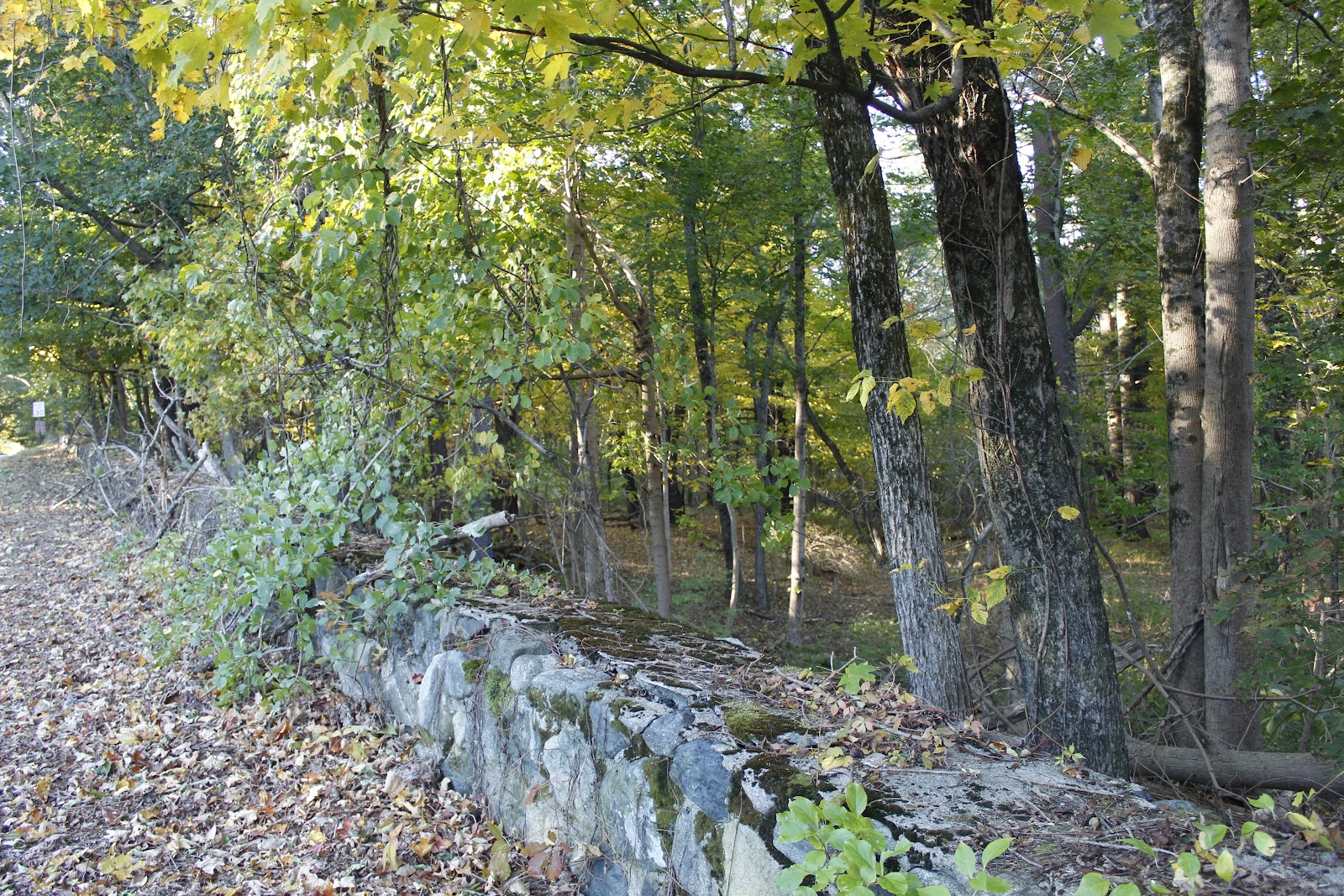
“It’s really about paying attention to the details that make it part of this community, let’s not just slap up six homes and be done with it,” she said.
Habitat for Humanity’s model requires that homeowners volunteer for 200 hours to help build their homes. Their deeds are restricted which prevents homeowners from selling Habitat houses at market value to help ensure that people stay and become part of their communities. Owners are also taught financial management and estate planning. Casey added some of the housing will have preference for residents of Weston.
“We can help people like your first responders and your teachers and your medical assistants,” she said.
Timko said the project will diversify income levels in town, which he says is important for creating a vibrant town culture.
“It is for people like teachers,” he said. “It’s not something that will threaten the town. It’s going to be a way of broadening the base of the town.”
The project will cost a little over $5 million, according to Casey. She said that while 33% of the cost is funded, Habitat does not break ground until they reach the halfway point in fundraising. That said, she expects the foundation to be built next year.
According to Casey, once Habitat owns the property, they will put out bids for subcontracting work. After the initial site work, the foundation will go in by late spring. After that, volunteers– including Habitat homeowners, who are required to put in 200 hours of sweat equity– will help build the rest of the housing.
“It’s a really wonderful way to be part of a community,” Casey said. “We don’t just build homes and leave. We’re part of the community.”
Author

Related Articles
After special election, what comes next?
Will the expanded Select Board galvanize resident participation in town government?
Judge denies motion to remand ‘Weston Whopper’ decision
A judge has denied a motion asking the state Housing Appeals Committee to reconsider its stance on the “Weston Whopper.”
Voters approve Select Board expansion
Voters approved the expansion of Weston’s Select Board to five members, which will occur in May at the annual town election.