
Neil Levitt’s dedication to Weston remembered: “It was something he lived and breathed”
Neil Levitt’s profound commitment to Weston defined him—he “lived and breathed” the community, championing its spirit until his final days.
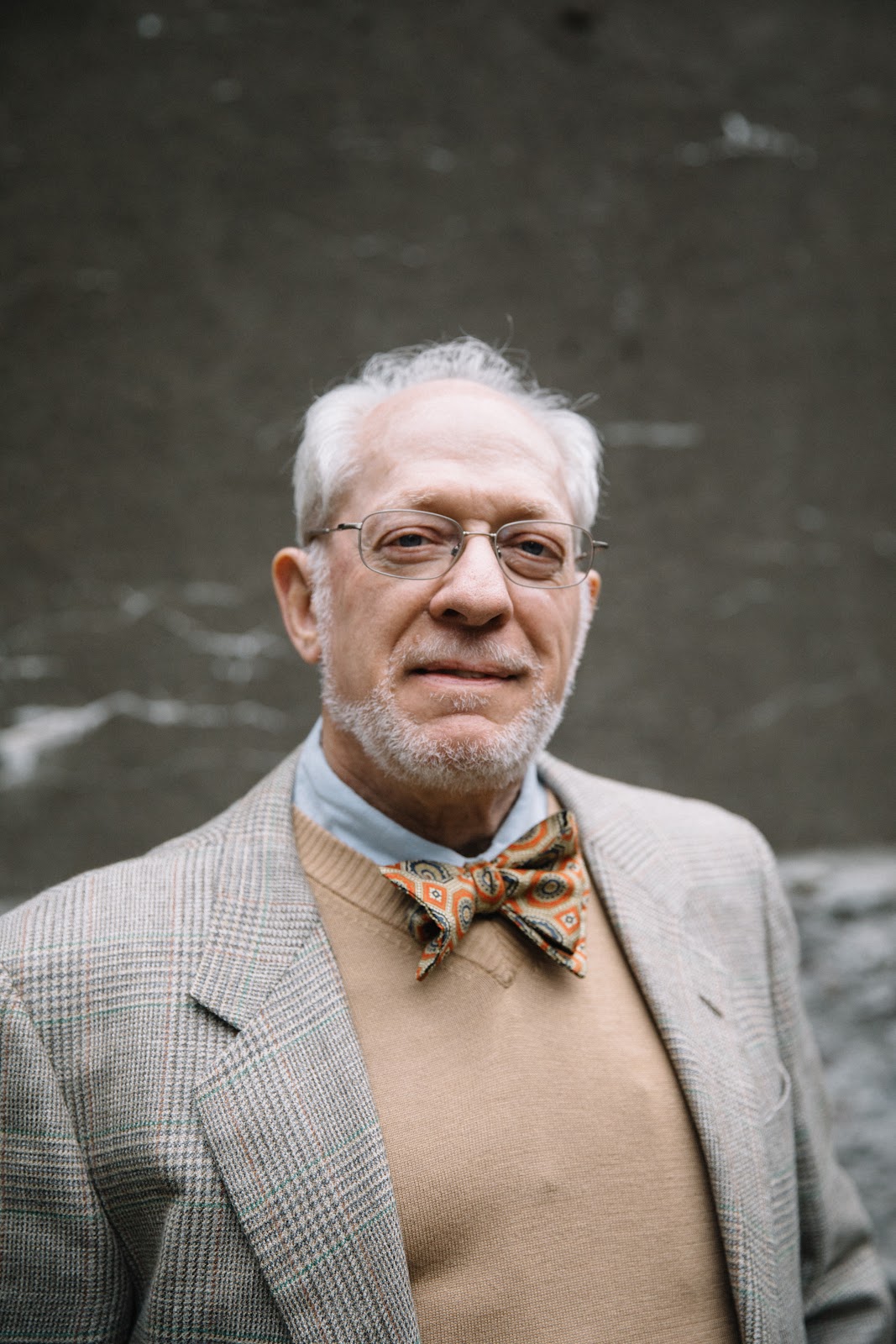
Neil Levitt loved his town.
Even when traveling to the West Coast to visit his children and grandchildren, he just had to share what was happening in his community.
“When he’d come visit, my daughter would be asleep and he’d be sitting in the kitchen with my wife,” his son Jesse Levitt said. “And he would be talking about all the minutiae of local politics. It was something he lived and breathed, and he took it everywhere he went.”
“He really cared about the projects he was working on,” added Emma Royer, Neil Levitt’s daughter. “We heard him for years talk about these projects … He just saw the bigger picture, that this was going to be great for Weston.”
A well-respected architect and devoted town volunteer who just couldn’t get enough of Weston, Neil Levitt died on Aug. 1. He was 82.
Born in Minneapolis, Levitt and his family moved to Jonesboro, Arkansas, when he was 11. It was in high school where Levitt discovered his passion for design and building through creating floats for school parades. He pursued his passion at Washington University in St. Louis, where he earned both a bachelor’s and master’s degree in architecture.
It was likely in Jonesboro where Levitt saw the importance of joining a community and giving back to it, according to his son. Upon moving to Arkansas, his parents, Sam and Anne Levitt, immediately got involved and helped found the city’s Temple Israel branch.
“You go to this place and you make sure the community exists in the way you want it to be,” Jesse Levitt said. “It was important for him to have a voice and be part of building a community.”
After serving as an architectural intern in Edinburgh, Scotland, Levitt came to the Boston area, where he undertook historic preservation, transportation and education design projects. Highlights included creating the design standards for the Central Artery Tunnel in Boston and the renovation of the Burberry’s building at 2 Newbury St. in Back Bay. Levitt also served as an instructor, thesis adviser and lecturer at the Boston Architectural Center for more than a decade.
“He was an architect and he saw the public good that architecture can bring,” Royer said. “He was interested in designing cool spaces, but as much as he could really love and get lost in the details, he understood the societal purpose – this is something that is supposed to work for people.”
In his personal life, Levitt enjoyed classical music, fine art, reading and listening to WGBH and WBUR. He also loved serving Weston. He volunteered on several committees, including nearly 15 years on the Permanent Building Committee, regularly attended Town Meeting and was elected twice as the measurer of lumber – a historical position tasked with inspecting and measuring firewood for sale to ensure the correct quantity and grade.
Neil Levitt never left Weston, even as his children moved to other states, and New England’s deep history of civic engagement, especially in the form of Town Meeting, was a major reason why.
“He believed in good governance and he believed in the responsibility of people to build that themselves,” Jesse Levitt said of his dad’s public service, even in small, obscure roles. “There’s a sense of whimsy in it …He took great pride in it, that he was elected measurer of lumber several times.”
“He thought that was hilarious,” Royer added. “He was very entertained by all sorts of little details that other people might have missed.”
Up until the day he died, Levitt served on the Permanent Building Committee, the Community Preservation Committee and the Affordable Housing Trust. He also was a member of the Town Center Improvement Project Working Group.
Royer added her father’s participation in town government, and his dedication to book clubs at the Weston Public Library, were a great way for him to stay social.
“He was a really introverted person,” she said. “He made a lot of cool friendships outside his family and I think the way that he socialized was by participating through these different committees in town and in the book clubs.”
James Polando, chair of the Permanent Building Committee, said Levitt’s professional experience and willingness to serve made him a valuable member of the board.
“We valued his judgment, his input, his correcting of the grammar of the meeting minutes,” Polando said. “As an architect, he brought a lot of value to the committee without question … Plus, with his activity on the Affordable Housing Trust and other committees in town over the years, that made him even more valuable.”
Polando and his fellow committee members added this “cross-fertilization was very important,” as they said Weston’s town boards can be siloed from one another.
“Neil was good about helping keep us up to speed,” Polando said.
The Select Board at its Aug. 26 meeting shared a statement on Levitt’s passing and held a moment of silence to honor his service to Weston.
“Neil was a respected architect and devoted citizen whose commitment to public service left a lasting impact on our community,” Select Board Chair Lise Revers said. “His dedication to thoughtful planning, inclusive development and civic engagement enriched the town in countless ways. Neil’s contributions will be missed and his legacy will continue to shape our community for years to come.”
Levitt is survived by his sister Raleigh Seliger, former wife Harris Levitt and his two children. He is also survived by four granddaughters.
Author

Related Articles
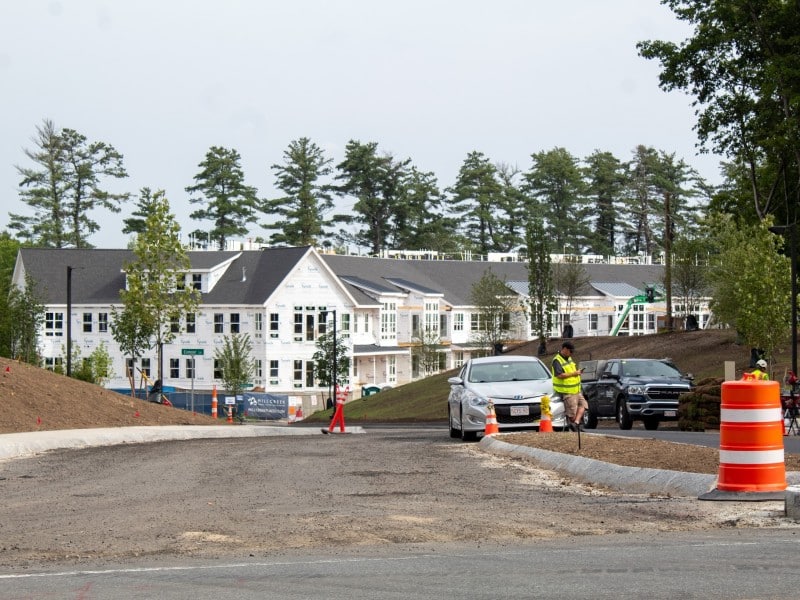
Modera Weston preleasing, affordable housing lottery open
Both an affordable housing lottery and preleasing for Modera Weston, the 172-unit housing complex at 751 Boston Post Road, are now open.

Weston real estate snapshot Q2 2026
As temperatures began to heat up in spring and early summer, so did the town’s real estate market.